
 Anti-Static, ESD, Clean Room Products




Teams
lois@weiyahua.com







Learn about our 3-Step QC Process System

Certifications
We hold ISO certifications and are verified as a D&B Member

Understand how we handle shortage and obsolete issues

365 Days Warranty
All components will be provided a year for after-sale service

Free Sample
We accept sample orders to meet your project requirement

Cost Reduction
We help OEMs, ODMs, and CMs meet savings targets
The global semiconductor industry is in the midst of an unprecedented wave of mergers and acquisitions (M&A), fueled by the booming AI sector. From AI computing chips and automotive electronics to analog components and wafer foundry services, top semiconductor firms are leveraging strategic acquisitions to expand their product lines, address technical gaps, and capture greater market share. As of May 2026, this consolidation trend continues to evolve, reshaping the competitive landscape of the global semiconductor industry. Below, we break down key M&A cases by strategic focus—AI-driven integration, cross-sector ecosystem building, and process & capacity expansion—tailored for electronics distributors and industry professionals.
AI is the primary driver of semiconductor M&A activity, with industry giants competing to build full-stack AI infrastructure. Below are the key moves from leading players:
NVIDIA is a pioneer in AI-focused semiconductor acquisitions. Its 2019 acquisition of Mellanox—an Israeli networking firm—for $6.9 billion laid the foundation for its AI strategy: Mellanox's InfiniBand and Ethernet solutions reduced latency for AI workloads by up to 90%, and the business now generates over $13 billion in annual revenue—surpassing the original acquisition cost in a single quarter.
Since then, NVIDIA has expanded its AI stack through targeted acquisitions: Run:ai (2024, $700M) to boost GPU utilization by 30-50%, OctoAI (2024, $250M) for generative AI model optimization, Deci ($300M) for AI model compression, and Shoreline.io ($100M) for automated cluster management. These moves have strengthened NVIDIA's CUDA ecosystem, locking clients into its seamless software-hardware integration.
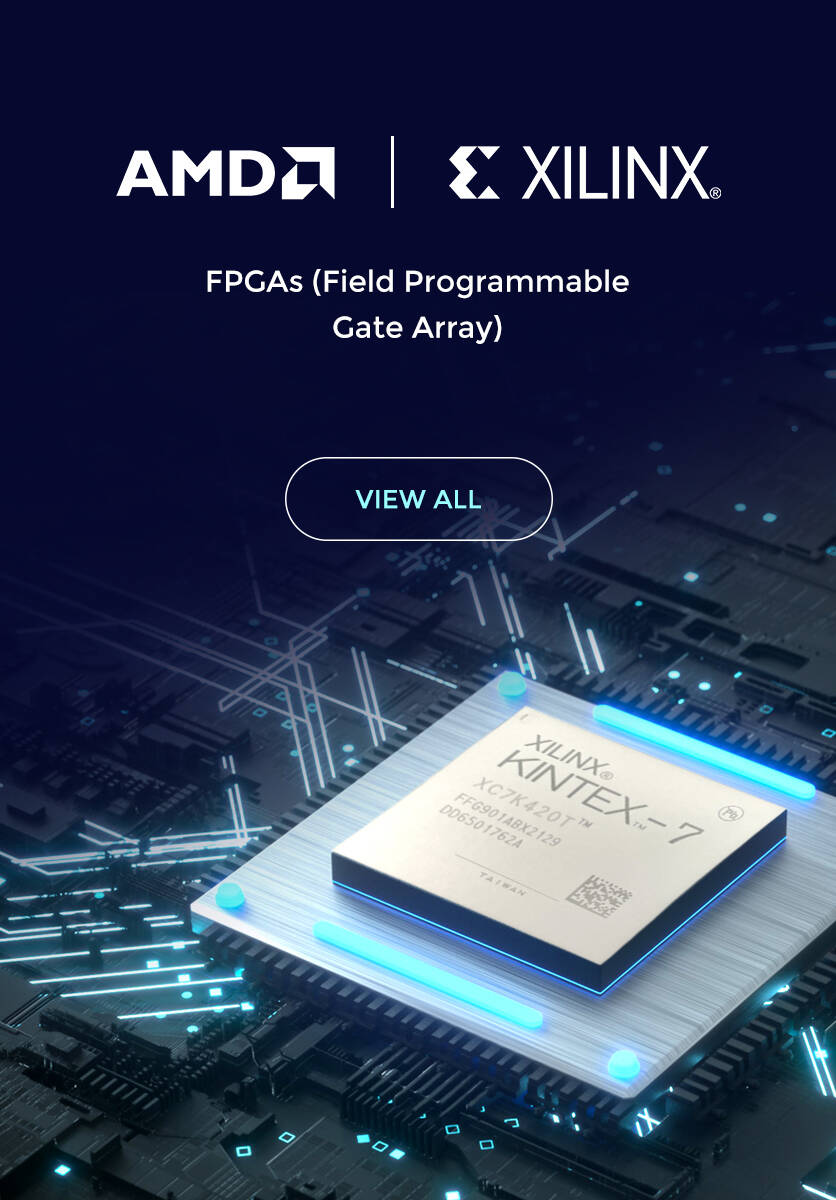
AMD's semiconductor acquisition strategy focuses on closing gaps to compete in the AI space. Its 2022 acquisition of Xilinx—a leader in FPGAs—for $35 billion transformed AMD from a CPU/GPU supplier into a full-platform provider (encompassing CPUs, GPUs, and FPGAs). In 2024, it acquired Pensando ($1.9B) for its DPU technology, enabling AMD to offer more comprehensive data center solutions.
In 2025, AMD purchased ZT Systems ($4.9B) to gain access to 1,000 top chip engineers, accelerating the deployment of AI systems (it later sold ZT's manufacturing division for $3B). It also acquired Silo AI ($665M)—Europe's leading AI startup—to enrich its AI software ecosystem, completing its end-to-end AI infrastructure layout.
Intel's semiconductor M&A efforts are focused on overcoming internal challenges. It came close to acquiring AI chip startup SambaNova Systems in 2026, but the talks fell through; instead, Intel invested $35M (securing an 8.2% stake) and appointed executives to SambaNova's board. Prior moves include acquiring Habana Labs (an Israeli AI chip firm) and spinning off its autonomous driving subsidiary, Mobileye, for public listing.
Qualcomm's AI M&A strategy embraces a cross-sector focus. Its 2025 acquisition of Alphawave Semi—a UK IP giant—for $2.4B (representing a 96% premium) granted it access to high-speed connectivity IP, a critical step in re-entering the data center market with its Oryon CPU and Hexagon NPU.
Qualcomm also targets IoT and edge AI, having acquired five firms (Augentix, Arduino, Edge Impulse, Focus.AI, and Foundries.io) over 18 months. The acquisition of Arduino—an open-source hardware platform—sparked widespread concern within the community, but Qualcomm pledged to keep Arduino operating independently.
Hong Kong Wei Ya Hua Electronic Technology Co., Ltd. is an electronic component distributor. Since 2019, it has been providing one-stop electronic component order matching services for customers of different types.






 Copyright ©2026 HongKong Wei Ya Hua Electronic Technology Co.,Limited